The Dropshipping Playbook
Mastering retail arbitrage in the digital age without holding inventory.
1. The Core Mechanics
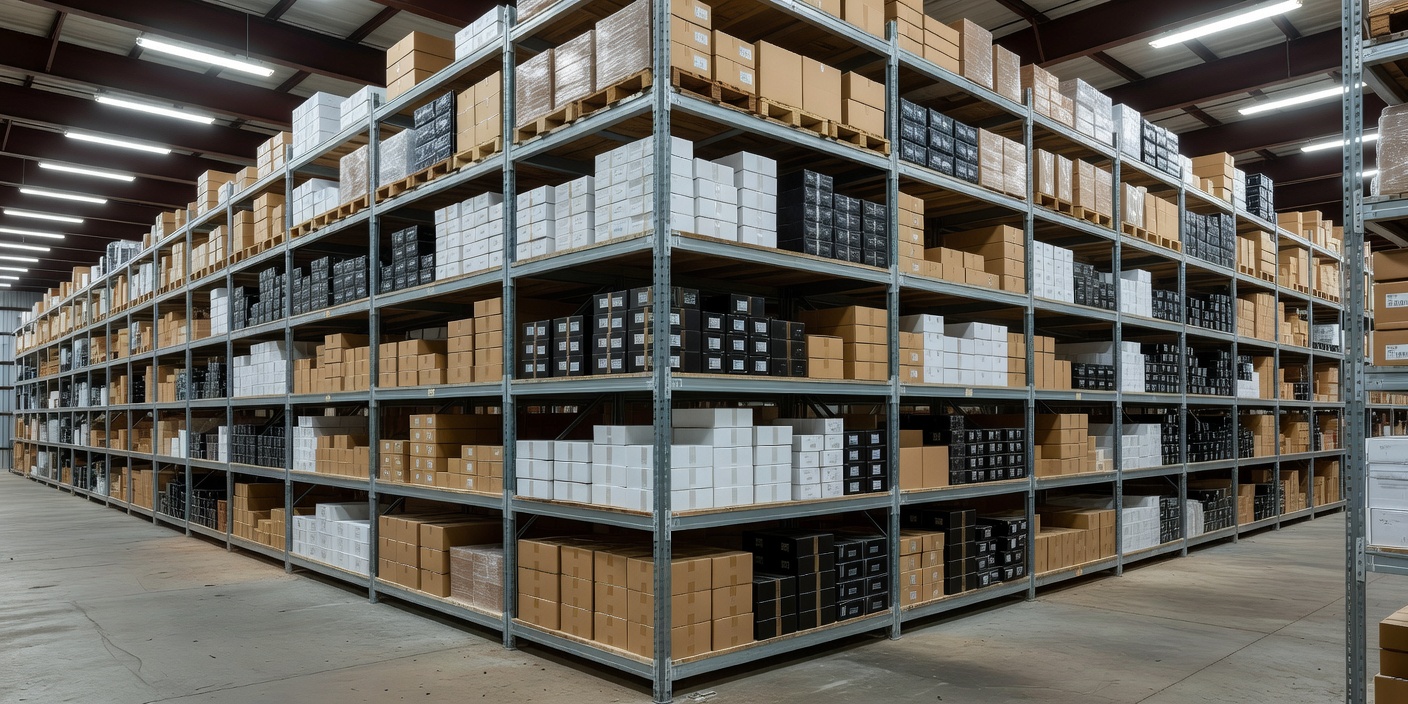
Dropshipping is a supply chain management method. Rather than keeping goods in stock, you transfer customer orders and shipment details to a manufacturer, another retailer, or a wholesaler, who then ships the goods directly to the customer. Your profit is the difference between the wholesale price and the retail price you charge, minus your customer acquisition costs.
This model drastically lowers the barrier to entry for e-commerce, but it transfers the complexity from inventory management to digital marketing and customer service.
2. Selecting a Viable Niche and Product
Do not sell general commodities like basic phone cases or standard t-shirts. The market is entirely saturated, and you cannot compete with massive retailers on price or shipping speed. Instead, look for products that solve a specific problem or cater to passionate hobbyists.
- Problem-Solving Products: Ergonomic desk equipment, specialized cleaning tools, or pet care solutions.
- Passionate Hobbies: Specialized outdoor gear, crafting tools, or niche fitness equipment.
Criteria for a strong dropshipping product: It should not be readily available in local big-box stores, it should have a perceived value high enough to support a retail price at least 3x your wholesale cost, and it should not be excessively heavy or fragile (which inflates shipping costs and return rates).
3. Sourcing Reliable Suppliers
Your supplier is your operational backbone. If they fail, your brand takes the blame. While many begin with vast directories located in Asia, shipping times of 3-4 weeks are increasingly unacceptable to modern consumers.
To differentiate your store:
- Seek Regional Suppliers: If you are selling to North America or Europe, search for suppliers with warehouses in those continents. Faster shipping translates to higher customer satisfaction and fewer chargebacks.
- Test the Process: Before heavily marketing a product, order it yourself. Assess the communication of the supplier, the actual transit time, and the quality of the packaging and product.
4. Building the Storefront
Your website is a trust engine. If it looks hastily thrown together, conversion rates will plummet. Consumers are highly sensitized to scam storefronts.
Key elements of a high-conversion store:
- Professional Domain: Secure a clean `.com` or country-specific domain.
- High-Quality Imagery: Do not just copy the low-resolution images from your supplier. If possible, take your own photos or use robust design tools to clean them up.
- Clear Policies: Prominently display your shipping times, return policies, and a real contact email. Ambiguity destroys sales.
- Compelling Copy: Focus on the benefits of the product, not just a list of specifications. How does this item improve the buyer's life?
5. Traffic and Customer Acquisition
A beautiful store with zero traffic generates zero revenue. Paid advertising is the fastest way to test product viability, but it requires capital to burn during the learning phase.
Short-form video platforms currently offer the most underpriced attention. Creating organic, engaging videos demonstrating the product in use can drive massive traffic without direct ad spend. If an organic video gains traction, you can then put paid advertising dollars behind it to amplify the effect.
6. Navigating the Risks
Dropshipping is not passive income. You must handle customer service, dealing with tracking delays, returns, and complaints. Payment processors will closely monitor your business; if your chargeback rate exceeds 1%, they may freeze your funds or close your account. Excellence in customer communication is your primary defense mechanism against these risks.